Additional Service Areas

Understanding the Difference Between Rock and Mulch
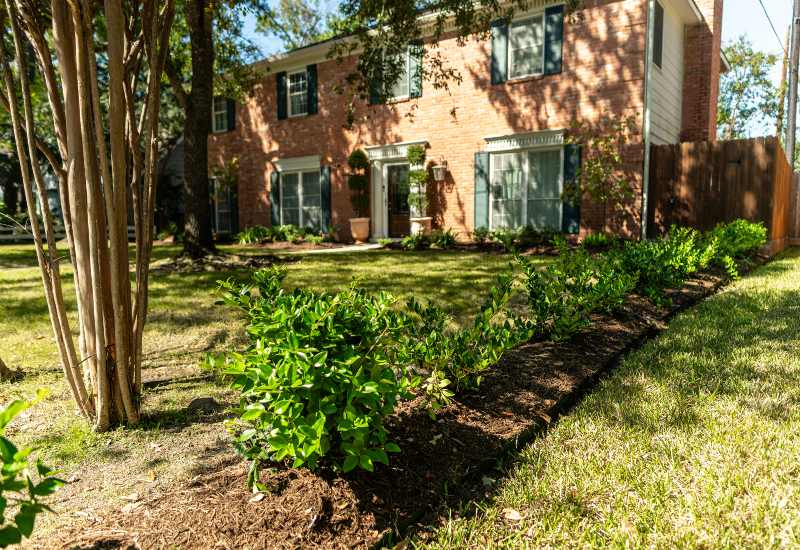
Differences Between Rock and Mulch in Landscaping
If you want to refresh the garden beds around your Houston home, you face a classic landscaping choice: rock or mulch? Both options offer unique benefits that can boost your home’s curb appeal and protect your plants. But picking the wrong material for your yard can lead to extra maintenance, wasted money, or struggling plants.
Houston’s intense heat and heavy rain play a huge role in how your yard performs. Whether you want a sleek, modern look or a lush, traditional garden, making the right choice matters.
What Is Rock?
In landscaping, rock acts as a permanent, inorganic ground cover. Stones and gravel create a durable layer over your soil that does not break down over time. Rocks offer a striking, clean look that works beautifully around pathways, large trees, and heat-tolerant plants.
Since they do not decompose, rocks provide excellent long-term weed control when paired with a high-quality landscape fabric. They also withstand heavy rain and strong winds without washing or blowing away.
What Is Mulch?
Mulch refers to any organic material spread over the surface of your soil. Usually made from tree bark, wood chips, or pine needles, mulch acts like a protective blanket for your garden beds. As it breaks down over time, it replenishes essential nutrients in the soil, creating a rich environment where plant roots thrive.
Organic mulch excels at holding moisture in the ground. During our brutal Texas summers, professional lawn mulching services use these materials to keep plant roots cool and reduce the need for constant watering.
Various Types of Rocks Used in Landscaping
When choosing landscaping rocks, you have plenty of textures and colors to match your home’s exterior. Here are the most popular options:
- River Rock: Smooth, rounded stones shaped by flowing water. They come in various earthy tones and look fantastic in dry creek beds or around water features.
- Crushed Granite: This creates a rustic, natural look. It compacts very well, making it a great choice for walkways or patio borders.
- Lava Rock: Lightweight and highly porous, lava rock comes in bold red or deep black colors. It provides excellent drainage.
- Pea Gravel: Small, smooth stones that work beautifully for high-traffic walkways and filling gaps between stepping stones.
- Marble Chips: Bright white rocks that add a high-end, elegant contrast to dark green foliage.
Various Types of Mulch Used in Landscaping
If you decide to go the organic route, landscape mulching services typically offer a few distinct varieties to suit your specific soil needs:
- Shredded Hardwood: One of the most common and versatile options. It compacts easily, which keeps it from washing away during heavy Houston downpours.
- Cedar Bark: Known for its pleasant smell, cedar naturally repels certain insects, including termites and ants.
- Pine Needles (Pine Straw): This lightweight option knits together nicely. It adds a slight acidity to the soil, perfect for acid-loving plants like azaleas and hydrangeas.
- Dyed Wood Chips: Available in black, brown, or red, these chips hold their color longer and give your garden beds a highly uniform, manicured look.
Key Differences Between Rock and Mulch
Choosing between rocks for landscaping and organic mulch comes down to your budget, plant choices, and maintenance preferences.
Cost and Lifespan
Mulch costs less upfront but requires replacement every year or two as it breaks down. Rock requires a higher initial investment, but it lasts practically forever. Over a five- to ten-year period, rock usually becomes the cheaper option.
Soil Health and Moisture
Mulch actively improves your soil as it decomposes. It also retains moisture exceptionally well. Rocks do not improve soil quality. In fact, rocks absorb and radiate heat. In the Houston summer sun, hot rocks can stress delicate plants by baking the soil underneath.
Maintenance
Rock requires very little maintenance. You only need to occasionally blow away fallen leaves or pull a stray weed. Mulch demands a bit more upkeep, as fading color and decomposition mean you will need top-dressings from professional mulching services every season to keep things looking fresh.
Aesthetics
Mulch provides a classic, rich backdrop that makes colorful flowers pop. Rock offers a more modern, structured, and permanent aesthetic, often favored in luxury xeriscaping or modern architectural designs.
Contact Our Team Today
Both rock and mulch offer incredible ways to elevate your property. If you want permanent structure and minimal upkeep, rock might be your best bet. If you want to nourish your soil and protect delicate flowers from the Houston heat, mulch is the way to go.
Still not sure which option fits your yard? We can help you visualize the perfect space.
At Absolute Lawn Care and Landscaping, our #1 goal is customer satisfaction. We are locally owned, fully licensed, and insured, delivering reliable, high-quality landscaping with a personal touch. From start to finish, we stay by your side. We even offer cutting-edge 3D design rendering so you can see your project come to life before we move a single stone.
Contact us today for your 100% free quote and check out our reviews to see why Houston homeowners trust us with their landscapes.
FAQs
Is rock or mulch cheaper?
Mulch is much cheaper to purchase and install initially. However, because you have to replace mulch every year or two, rock becomes the more cost-effective choice over a long period.
Does mulch attract bugs in Houston?
Mulch can provide a damp environment where some bugs like to hang out, but it rarely causes infestations. Using cedar mulch can actually help repel certain pests naturally. Ensure mulch stays a few inches away from your home’s foundation to be safe.
Can I put rock directly over old mulch?
We do not recommend this. As the old mulch rots underneath, it will create an uneven surface for your rocks and allow weeds to sprout. Always remove old mulch and lay down a quality weed barrier before installing rock.
How often should I replace my mulch?
For the best appearance and soil health, you should add a fresh layer of mulch once a year. Typically, spring is the best time to do this in Houston before the summer heat arrives.
Do I need weed fabric under landscaping rocks?
Yes. Placing a commercial-grade weed barrier under your rocks prevents the stones from sinking into the mud after heavy rains. It also provides a crucial block against aggressive weeds trying to push up through the soil.